
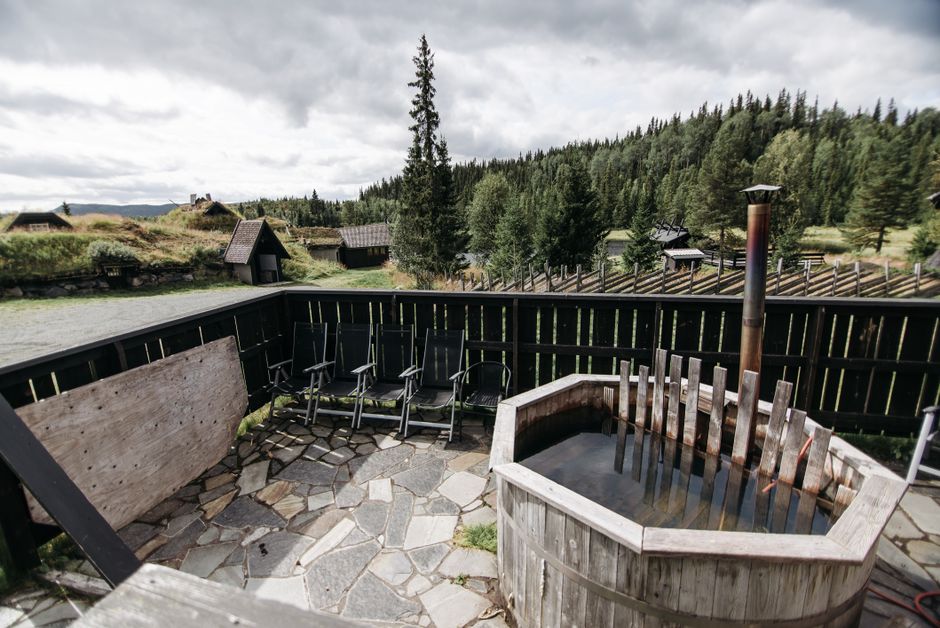
There is something undeniably magnetic about a wooden hot tub. The scent of cedar rising with the steam, the soft glow of timber against a twilight sky, the primal satisfaction of a wood-fired soak under the Southern Cross. It is an experience that feels both luxurious and elemental, a retreat from the synthetic world. But between that initial infatuation and the decade that follows lies a ledger most buyers never see. The purchase price is a single line item. The real story of wooden hot tub maintenance is written across years of sanding, staining, leak repairs, and chemical management, a cumulative cost that can quietly eclipse the original investment. This article lays out exactly what that looks like over a ten-year span in Australian conditions, and introduces an engineered alternative that removes the most expensive chapters from the story entirely.
Table of Contents
The Annual Timber Treatment Cycle: Sanding, Staining, and Sealing
The 10-Year Cost Summary: What Wooden Tub Maintenance Really Adds Up To
The Andes Alternative: Pre-Assembled, Zero-Leak, Zero-Treatment
Why the Purchase Price Is Only the Beginning
Wooden hot tubs are often marketed with words like natural, traditional, and low-tech. Many buyers hear those words and mentally translate them to low-maintenance, a misunderstanding that proves expensive. A timber tub is not a set-and-forget appliance. It is a living structure made from an organic material that moves, breathes, and degrades in response to sun, water, and temperature. The true cost of ownership is not the figure on the invoice. It is the decade of recurring treatments, repairs, and water management that follows.
Most manufacturers quote a service life of five to ten years for a wooden tub. Some suggest ten to fifteen years is possible under ideal maintenance conditions. The gap between those two ranges is where the hidden costs accumulate. Ideal maintenance is not what most owners sustain. Life gets busy, seasons slip by, and a skipped treatment here or a delayed inspection there compounds into structural problems that demand professional intervention. This article provides a transparent, line-item projection of what wooden tub ownership actually costs over a decade in the Australian market. It also asks a question worth considering before you commit: what if the maintenance burden could be engineered out of the equation entirely?
The Annual Timber Treatment Cycle: Sanding, Staining, and Sealing
Sanding and Surface Preparation
Wooden tubs live outdoors, and the Australian climate is unforgiving. Intense UV exposure, dry heat, and sudden downpours accelerate timber weathering. To keep the exterior from greying, splintering, or developing surface checks, the wood must be treated one to two times per year. Every treatment cycle begins the same way: sanding.
Sanding a wooden hot tub is not a quick once-over with a palm sander. The entire exterior surface must be worked methodically, including the curved faces of individual staves, the areas around steel bands, and the underside of the rim where moisture tends to linger. For a standard-sized tub, a thorough sanding session consumes eight to twelve hours of labour. Do it yourself, and you are committing two full weekends a year to the task. Hire a professional, and each visit will run between three hundred and six hundred dollars depending on tub size and condition.
Over ten years, that is ten to twenty sanding sessions. The cumulative labour cost, whether paid in dollars or in Saturdays lost, can rival the original price of the tub. And sanding is only the preparation.
Staining, Oiling, and Sealing Products
Once the surface is smooth and clean, the timber needs protection. Linseed oil, wood glaze, or specialist wax must be applied one to two times annually. Paint and varnish are explicitly unsuitable for wooden hot tubs: they trap moisture inside the timber, accelerating rot and preventing the natural expansion and contraction that stave-built tubs rely on for their watertight seal.
Quality exterior wood treatment products suitable for hot tub use cost between sixty and one hundred and fifty dollars per application, depending on brand, tub surface area, and whether you are treating the interior as well. The interior demands its own attention. Monthly inspections for cracks, cuts, and dings are recommended by manufacturers, and any damage must be addressed promptly to prevent water from penetrating the timber core.
Over a decade, timber treatment products alone total between twelve hundred and three thousand dollars. That figure does not include the sandpaper, brushes, applicator pads, and cleaning solvents consumed along the way. It also does not account for the times you will need to redo a section because a sudden rainstorm washed the fresh oil away before it cured.
The Hidden Cost of Timber Expansion and Contraction
Wood is a hygroscopic material: it absorbs and releases moisture in response to humidity and temperature changes. In a wooden hot tub, this means the staves are constantly moving. They swell when the tub is filled, shrink when it is drained, and shift with every weather front that passes through. This movement is not a design flaw. It is the fundamental behaviour of timber, and it is the root cause of most wooden tub maintenance issues.
As staves expand and contract, they create gaps, surface checking, and subtle warping. These imperfections accelerate the need for sanding and resealing because they expose fresh, untreated wood to the elements. The cycle is self-reinforcing: weathering opens the grain, moisture enters, the wood moves, and more weathering follows. Over time, this repeated expansion and contraction compromises the tub's structural integrity, leading directly to the most expensive repair category of all.
Leak Repair: The Most Expensive Surprise
Why Wooden Tubs Leak
For traditional stave-built wooden tubs, leaks are not a matter of if but when. The expansion and contraction cycle that gives the tub its character also works against its watertightness. Between each stave sits a layer of sealant or caulking, and over years of movement, that sealant degrades. It dries, cracks, and eventually fails. When it does, water finds a path through.
The problem is compounded by the fact that leaks often start small, a slow seep that goes unnoticed until the timber around it darkens or the water level drops faster than evaporation can explain. By the time a leak is visible, the affected area has usually been saturated for weeks, and the surrounding staves may have begun to swell unevenly or develop rot.
The True Cost of Leak Repairs Over 10 Years
Repairing a leak in a wooden tub is not a simple patch job. The tub must be drained completely, the affected area dried over several days, the old sealant removed, and new sealant applied with precision. For anything beyond a pinhole leak, professional repair is strongly advised, and it comes at a cost. Depending on severity and accessibility, a single leak repair typically runs between four hundred and twelve hundred dollars.
Multiple leaks over a decade are common. Manufacturers recommend full draining and inspection two to three times per year, and it is during these inspections that most leaks are discovered. Over ten years, leak repairs can easily total two thousand to five thousand dollars. In severe cases, where multiple staves have shifted or the tub base has been compromised, the entire structure may need to be disassembled and rebuilt, a cost that can exceed the price of a new tub.
There is an alternative. A pre-assembled structural core that eliminates stave expansion issues entirely removes the conditions that cause leaks in the first place. No gaps between staves. No sealant degradation. No leak repair line items on the annual budget.
Water Management and Chemical Costs
Sanitisation and Water Testing
Wooden hot tubs require ongoing chemical management, and the preferred approach is hydrogen peroxide at a twenty-seven per cent solution. The maintenance dose is one-eighth of a cup per one hundred gallons of water, with a stronger treatment of one-third cup per one hundred gallons when needed. Unlike chlorine or bromine, hydrogen peroxide breaks down into water and oxygen, leaving no chemical residue, but it must be dosed consistently to remain effective.
Monthly water testing and pH balancing are non-negotiable. During periods of active use, pH should be checked daily. Test strips, liquid reagents, and adjustment chemicals add to the ongoing cost, as does the monthly water sparkle agent recommended for clarity and appearance. Annual chemical spend for a wooden tub typically ranges from two hundred to five hundred dollars, depending on usage frequency, bather load, and local water quality.
Draining, Refilling, and Water Replacement
Full water replacement is recommended every three months in ideal conditions, with complete draining and inspection two to three times per year. Each drain-and-refill cycle carries its own costs. Fresh water must be heated, which takes between one and a half and four hours depending on tub size, outside temperature, wind, and whether a cover is used. Water treatment products must be added to the fresh fill. And the water itself is not free, particularly in parts of Australia where water restrictions and metered usage make every litre count.
Over ten years, water management alone can add two thousand to four thousand dollars in chemicals, heating energy, and replacement water. That figure sits entirely separate from any structural repairs or timber treatments, and it applies regardless of how diligently the tub is maintained.
The 10-Year Cost Summary: What Wooden Tub Maintenance Really Adds Up To
When the individual line items are consolidated, the picture becomes clear. Timber treatments over a decade run between twelve hundred and three thousand dollars. Leak repairs add another two thousand to five thousand. Water management and chemicals contribute two thousand to four thousand more. The total ten-year maintenance cost for a wooden hot tub sits between approximately five thousand two hundred and twelve thousand dollars, excluding the initial purchase price and any major structural failures that fall outside routine repair.
This figure assumes the owner is diligent. Skipping treatments or ignoring small cracks accelerates deterioration and pushes costs toward the upper end of the range, or beyond it. The uncomfortable truth is that many wooden tubs are abandoned or replaced within five to seven years because the ongoing commitment proves heavier than expected. The aesthetic that sold the tub is still there, but it is buried under a maintenance schedule that never lets up.
What if the warmth and beauty of timber could be combined with an engineered core that removes the two biggest cost drivers, timber treatment and leak repair, from the equation entirely?
The Andes Alternative: Pre-Assembled, Zero-Leak, Zero-Treatment
The Zero-Leak Structural Core
Andes hot tubs are built around a pre-assembled structural core manufactured to precision tolerances. This core eliminates the wood-stave expansion issue entirely. There are no staves to shift, no gaps to open, and no sealant to degrade over time. The structural integrity of the tub does not depend on the behaviour of a living material responding to moisture and temperature. It is engineered to remain watertight from the day it is installed through every season that follows. The two thousand to five thousand dollars budgeted for leak repairs over a decade is effectively reduced to zero. Read: Cedar Wood Hot Tubs vs Stainless Steel: Which Lasts Longer?
No Timber Treatments Required
Because the structural core carries the load and maintains the seal, the exterior finish is not required to perform a structural function. There is no annual sanding, staining, or sealing cycle to maintain. The finish is designed to withstand Australian sun, rain, and temperature swings without the one-to-two-times-per-year treatment routine that wooden stave tubs demand. The twelve hundred to three thousand dollars in timber treatment products, and the eighty to one hundred and twenty hours of sanding and sealing labour, are eliminated.
The 10-Year Cost Comparison
When timber treatments and leak repairs are removed from the ledger, the ten-year maintenance cost drops by sixty to eighty per cent compared to traditional wooden tubs. Water management and routine chemical costs remain, as they do for any hot tub, but the structural peace of mind is the real saving. For a deeper comparison of material longevity and what different finishes can withstand over time, our guide on cedar wood hot tubs vs stainless steel provides a detailed look at which option lasts longer.
Frequently Asked Questions About Wooden Hot Tub Maintenance
How often should you change the water in a wooden hot tub? Every three months in ideal conditions, with full draining and inspection recommended two to three times per year.
Can you use chlorine in a cedar hot tub? It is possible, but hydrogen peroxide and ozone are preferred. Chlorine and bromine can degrade timber over time and produce unpleasant chemical residues that cling to the wood.
How do you clean the inside of a wooden hot tub? Drain the tub completely, scrub the interior surfaces with a Scotch-Brite pad, and clean the filtration system thoroughly before refilling with fresh water.
Do wooden hot tubs leak? Yes, eventually. The expansion and contraction of staves opens gaps over time, and sealant degradation is inevitable. Leak repair is the most common and expensive maintenance item for wooden tubs.
How long does a cedar hot tub last? Typically five to ten years under normal maintenance conditions. Ten to fifteen years is achievable only with diligent, uninterrupted care that most owners find difficult to sustain.
What oil do you use on a cedar hot tub? Linseed oil, wood glaze, or specialist wax applied one to two times per year. Paint and varnish should never be used on a wooden hot tub.
Conclusion: Know the Real Cost Before You Commit
Wooden hot tubs are beautiful objects, and the experience they offer is genuinely special. But the ten-year maintenance cost, five thousand two hundred to twelve thousand dollars in treatments, repairs, and water management, is rarely discussed at the point of sale. The decision is not simply about aesthetics. It is about whether you want a decade of recurring maintenance or a tub engineered to eliminate the biggest cost drivers from the start. Before committing to a traditional wooden tub, consider the total cost of ownership, and explore how a pre-assembled, zero-leak design can deliver the experience without the hidden expenses.
Share:
Cedar Wood Hot Tubs vs Stainless Steel: Which Lasts Longer?
Stainless Steel vs Acrylic Spa: Which Lasts in Australia?