
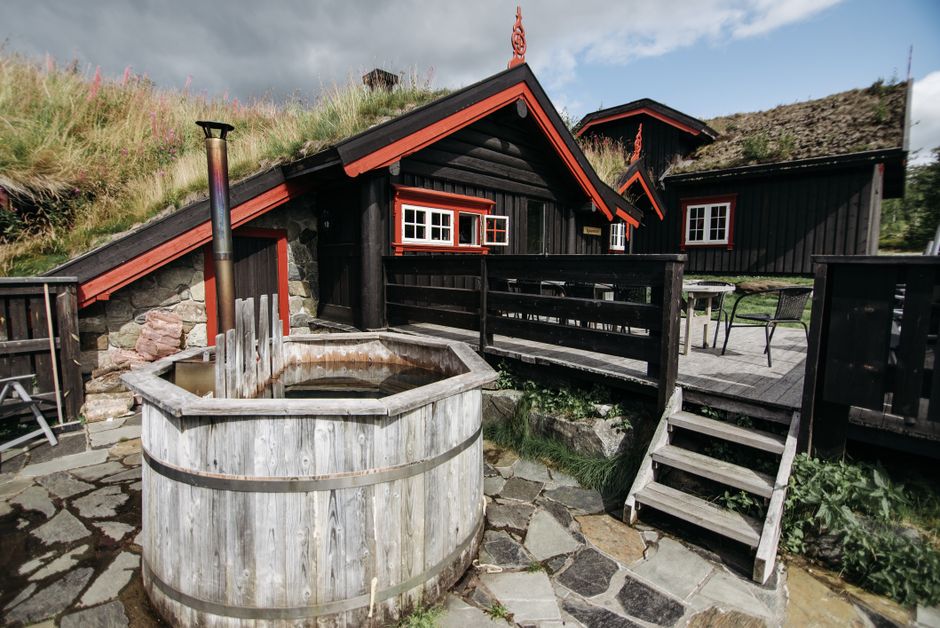
If you have been researching cedar wood hot tubs for your Australian home, you have probably noticed the same tension that catches every buyer. The timber tubs look magnificent: warm, organic, and perfectly at home against a bush backdrop or a landscaped garden in the suburbs. But then you start reading owner forums, and the doubts creep in. Rot. Leaks. Bands that need tightening every season. Suddenly the dream of a wood-fired soak under the stars feels like a maintenance trap waiting to spring. This article walks you through the real differences between traditional timber tubs and the hybrid alternative that is quietly reshaping the category: marine-grade stainless steel wrapped in certified timber. By the time you finish, you will know which construction method makes sense for your budget, your climate, and the decades ahead.
Table of Contents
Why Cedar Wood Hot Tubs Are So Popular in Australia
Walk through any premium outdoor living catalogue in Australia and the cedar hot tub commands attention. Retailers have built their marketing around the idea of the tub as an outdoor ritual: a return to something slower, more natural, and deliberately analogue. Australian buyers respond to that. The aesthetic is unapologetically organic, and Western Red Cedar brings genuine material qualities to the table. Its natural oils give off that distinctive, calming scent. The timber itself has a degree of built-in insulation, and the colour weathers to a silvery-grey that many owners actively want.
Price accessibility helps too. With entry-level cedar tubs starting around the two-thousand-dollar mark, the timber option feels attainable in a way that fully engineered acrylic spas often do not. And the marketing language lands: phrases like "made for Aussie backyards" and "built tough for Australian conditions" appear across multiple retailer sites, deliberately positioning cedar as the natural choice for local buyers.
The Hard Truth About Timber: Rot, Leaks, and Structural Failure
The appeal is real, but so is the physics. Timber and constant water exposure are fundamentally at odds, and even Western Red Cedar, with its celebrated tannins and decay resistance, eventually loses that fight. Every cedar stave in a traditional tub is a water-bearing surface. It swells when wet, shrinks when dry, and over hundreds of those cycles the wood fibres break down. The result is predictable: rot sets in, usually starting at the joints and the waterline, and once it takes hold the only fix is stave replacement.
Leaks are the symptom most owners encounter first. Cedar staves rely on compression from external steel bands to stay watertight. As the timber moves with temperature and humidity, those bands need re-tensioning. Miss a season, or get a run of extreme heat like an Australian summer delivers, and the gaps open up. Gaskets age. Seals fail. What started as a weekend soak becomes a weekend repair.
Australian conditions accelerate every part of this process. Intense UV radiation dries and cracks exposed timber surfaces. The heat-and-cool cycles that come with inland and elevated regions stress the wood fibres relentlessly. Coastal salt air adds another layer of corrosion risk to the external bands and fittings. The maintenance is not trivial, and it is ongoing. Annual sanding, re-oiling of interior staves, sealant application, and band adjustment are the baseline, not the exception. Retailers rarely put a dollar figure on this, but owners who track it report spending between three hundred and eight hundred dollars a year on products and labour, year after year.
The warranty terms tell the story that the marketing does not. Retailer offers five years on its stainless liner and just two years on other components. These are not long guarantees for a product that costs north of ten thousand dollars, and they reflect a simple truth: manufacturers know timber has a finite service life in wet environments, and they price that risk into their terms.
Marine-Grade Stainless Steel: The Structural Solution
If timber is the problem, marine-grade stainless steel is the engineering answer. Grades 304 and 316 stainless steel were developed for exactly the kind of environment that destroys wood: constant moisture, temperature fluctuation, and in the case of 316, direct saltwater exposure. The addition of molybdenum in 316-grade steel provides superior resistance to pitting and crevice corrosion, which is why it is the standard for marine hardware and surgical instruments.
In a hot tub application, a welded stainless steel core eliminates the failure modes that define timber ownership. There are no staves to rot, no expansion joints to leak, and no bands to tension. The core is a single, sealed vessel. It holds water. It holds heat. It does not degrade in contact with water chemistry or UV radiation. Properly maintained, a marine-grade stainless core is effectively a permanent structure. It will outlast the deck it sits on.
The thermal performance is better too. A sealed steel core retains heat more consistently than timber staves, which addresses the most common complaint from cedar tub owners on forums like Reddit: that uninsulated timber tubs "lose heat fast." Steel is conductive, yes, but when it is integrated into an insulated hybrid system, the heat stays in the water rather than bleeding through porous wood.
The trade-off is purely aesthetic. Bare stainless steel is functional and clean, but it lacks the warmth and texture that draw people to cedar in the first place. That is where the hybrid approach changes the equation.
The Best of Both Worlds: Timber-Wrapped Marine-Grade Steel
The construction method that solves the cedar-versus-steel dilemma is straightforward in principle and transformative in practice. A certified timber exterior, typically Western Red Cedar, wraps a 304 or 316 marine-grade stainless steel core. The steel handles all water containment and structural integrity. The timber serves as aesthetic cladding and supplementary insulation. It never touches water. It never swells, never shrinks, and never rots from the inside.
This is not a cosmetic compromise. Premium hybrid tubs use kiln-dried, certified timber that is properly treated for exterior Australian conditions. The wood ages gracefully, developing the same silvery patina that cedar owners value, but it does so without the structural deterioration that comes from constant water contact. The look is authentic because the material is authentic. The difference is that the timber is free to do what timber does best: look beautiful, insulate, and connect the tub to its natural surroundings.
Maintenance changes completely under this model. There is no annual draining to sand and re-oil interior staves. No band tightening. No leak chasing. The exterior timber may benefit from a UV-protective treatment every year or two, particularly in high-exposure sites, but that is cosmetic upkeep, not structural survival. The critical systems are sealed inside a corrosion-resistant core that simply does not degrade the way wood does. For Australian buyers in high-UV regions like Queensland, Western Australia, and northern New South Wales, this is not a luxury feature. It is the difference between a tub that lasts a decade and one that lasts a lifetime.
The 50-Year Warranty Difference
The warranty on a product tells you exactly how long the manufacturer believes it will last. In the hot tub market, the numbers are stark. Traditional cedar tubs carry warranties of two to five years. Andes Hot Tubs backs the 304 and 316 marine-grade stainless steel core in its hybrid range with a 50-year structural warranty. That is not a typo. Fifty years of structural coverage on the component that determines whether your tub fails in year six or is still holding water when your grandchildren use it.
The reason competitors cannot match this is not a lack of confidence in their workmanship. It is a material constraint. Wood rots. Steel, properly specified and welded, does not. A 50-year structural warranty transforms the purchase from a medium-term consumer product into a genuine long-term asset. It also changes the financial calculation, because the upfront price stops being the only number that matters.
Cost Comparison: Upfront Price vs Lifetime Value
The Australian market for cedar hot tubs spans a wide price band. At the entry level, a dedicated cold plunge sits around $1,997. Mid-range timber tubs land between $7,995 and $12,995. At the premium end at $15,000 to $17,000. These are the sticker prices that buyers compare when they start shopping.
What those numbers do not capture is the cost of keeping a timber tub watertight and structurally sound over time. Conservative estimates put annual maintenance for a traditional cedar tub at $300 to $800, covering sealants, oils, replacement staves, gaskets, and either your own labour or a technician's time. Over 20 years, that adds $6,000 to $16,000 to the total cost of ownership. A $12,000 cedar tub with $500 in annual maintenance becomes a $22,000 proposition. A $15,000 hybrid tub with negligible structural maintenance stays close to its purchase price, plus standard water care costs that apply to any spa.
The resale and asset value equation tilts further toward steel. A hybrid tub with a 50-year structural warranty is a permanent outdoor fixture that adds value to a property. A 12-year-old timber tub with visible weathering and a history of leak repairs is a liability that a homebuyer may ask you to remove. When you calculate total cost of ownership over the realistic service life of each product, the stainless steel approach is not more expensive. It is materially cheaper.
Heating Efficiency and Running Costs
Heat retention is where the construction method directly hits your power bill or your firewood pile. Timber staves, even in a well-built cedar tub, are not an effective thermal barrier. Owner reports consistently flag heat loss as a frustration, with uninsulated timber tubs requiring constant energy input to maintain temperature. That means more wood to split, more electricity consumed, or longer waits for the water to come back up to heat between uses.
A sealed stainless steel core changes the thermal behaviour of the tub. Steel holds heat, and when it is wrapped in insulation and then clad in timber, the system becomes thermally efficient. Some manufacturers, like Andes Hot Tubs, add dedicated insulation layers between the core and the cladding. The result is a tub that reaches temperature faster and stays there longer with less energy input.
Heating options vary across the market. Wood-fired systems remain popular for their off-grid capability and the ritual of building a fire. The retailer product, for example, brings 1,300 litres of water to 40 degrees Celsius in just over two hours using its compact wood burner. Electric heating offers convenience and consistent temperature control. Combo systems give you both. What almost no retailer provides is concrete running cost data: how much wood per session, how many kilowatt-hours per week, what the quarterly bill impact actually looks like. This is a genuine gap in the market, and buyers who want transparency should ask suppliers for real-world figures based on their local climate and usage patterns. The key principle is that a better-insulated, steel-cored tub will always cost less to run than a timber-only equivalent, regardless of the heating method.
Maintenance: What You Actually Need to Do
Owning a traditional cedar hot tub means committing to an annual maintenance cycle that is closer to boat ownership than spa ownership. The interior staves need to be drained, dried, sanded, and re-oiled. The external bands need tension checks and adjustments. Seals and gaskets need inspection and periodic replacement. Any sign of rot needs immediate attention before it spreads. This is skilled, physical work, and if you pay someone else to do it, the cost adds up quickly.
A hybrid timber-wrapped steel tub strips maintenance back to the essentials. The exterior timber may need a UV-protective treatment every 12 to 24 months, depending on exposure. The steel core requires standard water chemistry management: pH balancing, sanitising, and periodic shock treatments. Filter cleaning follows the same schedule as any spa. There are no porous timber surfaces in contact with the water, which means bacteria have fewer places to colonise and the tub is easier to sanitise thoroughly.
The lifestyle difference is significant. Hybrid owners spend their weekends using the tub. Timber tub owners spend a portion of their weekends maintaining it. For some, the hands-on ritual is part of the appeal. For most Australian buyers making a five-figure investment, the preference is for the tub to work reliably with minimal intervention.
Which Should You Choose? A Decision Framework
The right choice depends on your priorities, your budget structure, and your climate. Here is a practical framework to apply.
Choose a traditional cedar wood hot tub if your upfront budget is the primary constraint and you are comfortable with a shorter service life. If you are buying a cold plunge or ice bath where the water is not heated and the structural demands are lower, a timber-only tub can make sense. If you genuinely enjoy the annual maintenance ritual, sanding and oiling timber as part of the ownership experience, then a traditional cedar tub will satisfy that instinct.
Choose a timber-wrapped marine-grade steel tub if you want the authentic cedar aesthetic without the structural compromises. If you are investing for 15 years or more, if you want minimal maintenance, or if you are installing a permanent outdoor fixture that should outlast the landscaping around it, the hybrid approach is the logical choice. This is especially true if you live in a high-UV, high-heat region. Queensland, Western Australia, and northern New South Wales accelerate timber degradation to a degree that makes pure cedar tubs a questionable long-term proposition.
Apply the warranty test. Compare what manufacturers are willing to guarantee. Two to five years on a timber structure versus 50 years on a marine-grade steel core tells you everything you need to know about expected lifespan. The company that builds the steel core is making a multi-decade promise. The company that builds the timber tub is managing a known expiry date.
For most Australian buyers making a serious, long-term investment in their outdoor living space, the hybrid approach delivers the cedar experience without the structural gamble. You get the look, the scent, and the natural warmth of timber, backed by an engineered core that will still be holding water decades after a timber-only tub has been dismantled.
Frequently Asked Questions
How long do cedar wood hot tubs actually last?
A traditional timber-only cedar tub, maintained diligently, will last 5 to 15 years before major structural work is required. A stainless steel tub with a marine-grade stainless steel core is engineered for 50 years or more, which is why manufacturers like Andes Hot Tubs back the core with a half-century structural warranty.
Are cedar hot tubs expensive to run?
Running costs depend on your heating method and the tub's insulation. Timber staves lose heat faster than an insulated steel core, so a traditional cedar tub will consume more wood or electricity to maintain temperature. A well-insulated hybrid tub reduces energy input across all heating types.
Do cedar hot tubs leak?
Timber stave tubs are prone to leaks as the wood expands and contracts with moisture and temperature changes. Bands need regular re-tensioning and seals require periodic replacement. A welded stainless steel core is leak-proof by design. The timber cladding on a hybrid tub never touches water and cannot cause a leak.
Can you leave a cedar hot tub outside in Australian weather?
Yes, but UV radiation and extreme heat accelerate timber degradation. A hybrid tub with a steel core and exterior timber cladding is specifically designed for permanent outdoor installation in harsh climates. The timber weathers aesthetically, but the structural core is unaffected.
What maintenance does a cedar hot tub need?
A traditional timber tub needs annual draining, sanding, re-oiling of interior staves, band tensioning, and seal inspection. A hybrid tub requires standard water chemistry management and occasional UV-protective treatment on the exterior timber. The structural core needs no maintenance beyond water care.
Is a wood-fired or electric heater better?
Wood-fired heating is traditional, off-grid capable, and appeals to those who enjoy the ritual. Electric heating offers convenience and precise temperature control. Combo systems provide both. The choice is independent of the tub's construction method, though a better-insulated steel core will improve the performance of any heater type. For a deeper look at heating options, the wood-fired hot tub collection at Andes illustrates how different systems integrate with hybrid tub designs.
Conclusion: The Smart Investment for Australian Conditions
Cedar's beauty is not in question. A timber hot tub, set into a well-designed outdoor space, is one of the most inviting features an Australian home can have. The question is whether timber alone can withstand decades of water exposure, UV radiation, and the thermal cycling that defines our climate. The evidence says it cannot, and the warranty terms from timber tub manufacturers confirm that assessment.
The hybrid solution, a marine-grade stainless steel core wrapped in certified timber, removes the structural risk while keeping every aesthetic quality that makes cedar desirable. Zero rot. Zero leaks. A 50-year warranty on the core that no timber-only manufacturer comes close to matching. When you weigh the total cost of ownership, the maintenance burden, and the expected service life, the hybrid approach is not just the safer choice. It is the smarter investment. If you are building an outdoor space meant to last, choose a tub engineered to match that timeline. Explore the hybrid range at Andes Hot Tubs and compare the specifications against any timber-only alternative. The numbers, and the warranty, speak for themselves.
Share:
Wood Hot Tub Heater Guide Australia 2026 | Efficient Heating
Wooden Hot Tub Maintenance: The 10-Year Hidden Cost Breakdown