
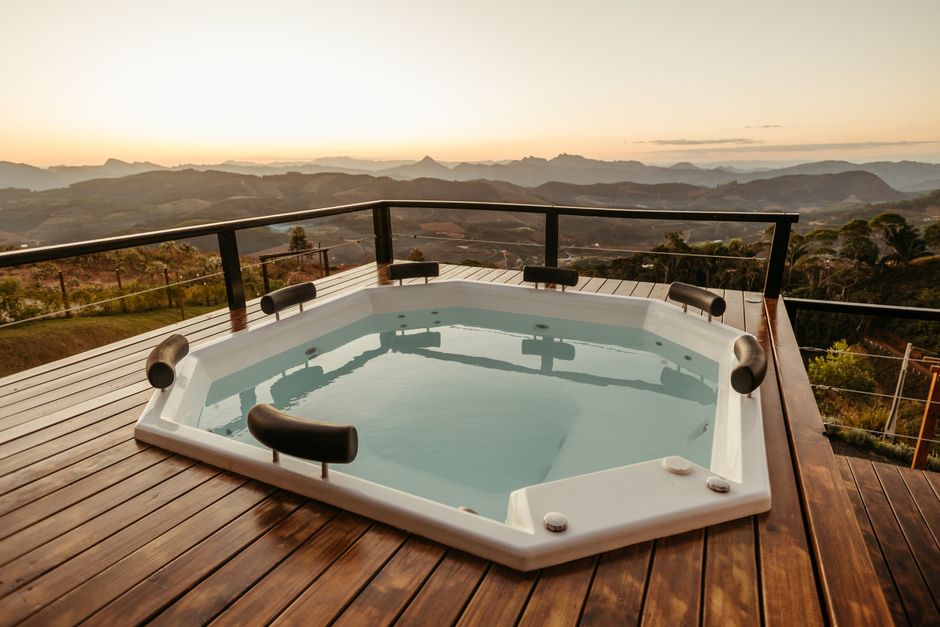
If you are weighing up a stainless steel vs acrylic spa, you are standing at the one fork in the road that determines everything else: how long your spa lives, what it costs you over time, and whether it becomes a permanent backyard asset or a decade-long appliance that eventually needs replacing. The sticker price tells a seductive story. The cost-per-year tells the truth. This article walks you through both materials as they perform under Australian sun, salt air, and real-world ownership, so you can make a call you will not regret in five years, let alone fifteen.
Table of Contents
Why Material Choice Matters More Than Any Other Spa Decision
The 60-Second Verdict: Stainless Steel vs Acrylic Spa at a Glance
Lifespan and Structural Integrity: The 50-Year vs 10-Year Reality
Heat Retention and Energy Efficiency: What the Manufacturers Don't Tell You
Australian Conditions: Coastal Salt, UV, and Climate Considerations
Which Should You Choose? A Decision Framework for Australian Buyers
Final Verdict: The Long-Term Winner for Australian Conditions
Why Material Choice Matters More Than Any Other Spa Decision
The spa shell is not an accessory you swap out later. It is the single most expensive component of the entire unit and the hardest to replace. If the shell fails, the spa is effectively written off. In Australian conditions, where UV is relentless, coastal salt air is corrosive, and temperature swings from summer scorchers to frosty alpine mornings are common, material degradation happens faster than most manufacturers admit. The gap between what feels affordable now and what actually costs less over two or three decades is where buyers make expensive mistakes. A spa is typically a ten to thirty-year purchase decision, not a three to five-year one, and the shell material dictates that realistic lifespan. If you are also considering timber options, our comparison of cedar wood hot tubs vs stainless steel covers the third material category worth understanding before you commit.
The 60-Second Verdict: Stainless Steel vs Acrylic Spa at a Glance
Stainless steel and acrylic sit at opposite ends of the longevity spectrum. A marine-grade 316L stainless steel spa can last fifty years or more with basic care. An acrylic spa typically reaches the end of its serviceable life within ten to fifteen years, and in harsh Australian sun, degradation can begin well before that. Upfront, acrylic is cheaper. Over a lifetime, stainless steel delivers the lowest cost per year of any spa material on the market. Acrylic offers colour variety and integrated moulded seating. Steel offers a non-porous, hygienic surface that never fades, never blisters, and never develops the micro-cracks that harbour bacteria. Heat retention favours acrylic out of the box, but insulation quality matters far more than shell material for ongoing energy costs. If you live near the coast, plan to own your spa for decades, or run a commercial operation, stainless steel is the material engineered for your reality. If budget is the overriding constraint and you are comfortable replacing the unit within a decade, acrylic may serve.
Lifespan and Structural Integrity: The 50-Year vs 10-Year Reality
How Acrylic Degrades Under Australian Conditions
Acrylic shells are thermoformed plastic, and plastic expands and contracts with every temperature swing. Over years of Australian summer heat followed by cool winter nights, that movement creates stress fractures at a microscopic level. UV exposure accelerates the process dramatically. Acrylic surfaces fade, chalk, and grow brittle after years of direct sun, and once the surface integrity is compromised, the damage is structural, not cosmetic. Micro-cracking is the hidden killer. Hairline fractures too small to see become reservoirs for bacteria, biofilm, and grime that no amount of scrubbing can reach. Shell refinishing is possible, but the cost often lands between thirty and fifty percent of a new spa's purchase price, which effectively writes off the original investment. Beneath the acrylic layer, the fibreglass backing can delaminate, creating soft spots and structural weakness that cannot be repaired at home.
Why 316 Marine-Grade Steel Doesn't Degrade
Marine-grade 316L stainless steel contains molybdenum, the alloying element that gives it exceptional resistance to chloride corrosion. For Australian coastal properties, where salt-laden air eats through lesser metals within years, this is non-negotiable. Steel does not fade, chalk, blister, or become brittle. The shell's structural integrity is permanent. There are no micro-cracks to harbour bacteria and no risk of hidden delamination. Andes hot tubs feature an architectural-grade 316 steel interior specified for permanence, not just aesthetics. Even after decades of use, a steel shell can be re-polished and restored to near-original condition. The material itself does not degrade; it only ever needs cleaning.
The Real Cost of Ownership: Upfront Price vs Cost Per Year
Acrylic's lower sticker price, typically somewhere between five and fifteen thousand dollars depending on size and features, is genuinely attractive at the point of sale. Stainless steel spas command a higher upfront investment, often ranging from fifteen to thirty thousand dollars and beyond. But the maths flips completely when you divide that cost across the years of use you actually get. A twelve-thousand-dollar acrylic spa that lasts twelve years costs roughly a thousand dollars per year. A twenty-five-thousand-dollar steel spa that lasts fifty years costs five hundred dollars per year, and it is still going strong while the acrylic owner is on their third or fourth replacement. Factor in the refinishing costs, replacement labour, and disposal fees that acrylic ownership guarantees, and the lifetime cost gap widens further. Australian electricity prices make energy efficiency a genuine concern, but insulation quality, lid design, and cover seals drive running costs far more than shell material ever will.
Heat Retention and Energy Efficiency: What the Manufacturers Don't Tell You
Acrylic is naturally more insulating than steel, and acrylic manufacturers lean heavily on this point. What they leave out is that modern stainless steel spas use high-density insulation to close the gap to the point where the difference on your quarterly bill is negligible. The shell material is one factor among many: lid quality, insulation thickness, and cover seals matter far more for heat retention. In the Australian climate, where ambient temperatures are mild compared to North American or European winters, the insulation advantage of acrylic shrinks further. Stainless steel's thermal conductivity is actually an advantage for cold plunge use, where rapid temperature adjustment is desirable. A well-insulated steel spa performs comparably to an acrylic spa in real-world energy consumption. Do not let energy myths steer you away from a fifty-year shell.
Hygiene, Maintenance, and Water Chemistry
Stainless steel is non-porous at a microscopic level. Bacteria and algae cannot take hold because there is nowhere for them to lodge. Acrylic, by contrast, develops micro-scratches and micro-cracks over time, and each one becomes a biofilm-friendly environment that demands more sanitiser and more scrubbing. Steel does not absorb oils, lotions, or chemical residues. Cleaning is a wipe-down, not a deep-scrub, and the non-reactive surface means sanitisers work on the water rather than being consumed by reactions with the shell. Chemical demand drops over time with steel. The material is also compatible with saltwater, mineral, and low-chlorine systems, giving owners flexibility that acrylic cannot match. Acrylic ownership includes periodic shell polishing, crack repair, and eventual refinishing. Steel ownership includes none of that.
Aesthetics and Design: Does Steel Have to Look Industrial?
Acrylic's genuine advantage is colour variety and integrated moulded seating, but those come with the degradation trade-off already covered. Stainless steel offers a timeless, architectural aesthetic that ages gracefully rather than looking dated after a few seasons. Steel spas can be clad in timber such as cedar, jarrah, or merbau to suit Australian outdoor living aesthetics, blending warmth and permanence in a way acrylic shells cannot replicate. Consider how each material looks after five to ten years. Acrylic fades and chalks. Steel develops a patina that can be polished back to a mirror finish whenever you choose. Resale value follows the same logic: steel's permanence and appearance hold value, while acrylic's visible ageing makes it difficult to sell second-hand.
Australian Conditions: Coastal Salt, UV, and Climate Considerations
Marine-grade 316 stainless steel is specifically specified for coastal environments. Ordinary stainless steel will corrode in salt air, but 316 will not. For properties within five kilometres of the Australian coastline, this is not a luxury; it is a requirement for any metal component you expect to last. Acrylic's UV degradation accelerates under Australian sun, with fading and brittleness appearing within five to seven years in exposed positions. In bushfire-prone and alpine regions, steel's non-combustible nature and cold tolerance are distinct advantages that acrylic cannot claim. Australian building codes and installation requirements are also easier met with steel's structural rigidity, which simplifies site preparation and long-term stability.
Environmental Impact and End-of-Life Considerations
Stainless steel is infinitely recyclable. At the end of its fifty-plus-year service life, your spa's shell can become new steel products without any loss of material quality. Acrylic is a petroleum-based plastic that typically ends up in landfill, where it persists for centuries. Steel's longevity means fewer resources consumed over time: one manufacturing cycle instead of three or four. Acrylic manufacturing produces significant VOC emissions. Steel production, while energy-intensive, is increasingly powered by green energy and electric arc furnaces. For environmentally conscious Australian buyers, steel is the clear sustainability winner.
Which Should You Choose? A Decision Framework for Australian Buyers
Choose stainless steel if you live near the coast, want a twenty-plus-year investment, prioritise hygiene, or run a commercial operation where downtime costs money. Choose acrylic if your budget is strictly limited and you are comfortable treating the spa as a medium-term appliance rather than a permanent fixture. Consider your property: a steel spa can be a permanent architectural feature that adds value; an ageing acrylic spa becomes a removal cost for the next owner. The "buy once, cry once" principle applies here. Most acrylic owners who eventually upgrade to steel say they wish they had done it from the start. If you are still exploring options, the Andes range includes models like the Condor and the Puma, both built around the same 316L steel interior that makes this entire comparison so one-sided.
Frequently Asked Questions
How long does an acrylic spa last? Typically ten to fifteen years, and less in harsh Australian sun where UV exposure accelerates surface degradation.
Are stainless steel spas worth the extra cost? Yes, when calculated as cost per year of use. A steel spa that lasts fifty years costs less per year than an acrylic spa replaced every decade.
Do stainless steel spas use more electricity? Not necessarily. Insulation quality, lid design, and cover seals matter more than shell material for energy consumption.
Can acrylic spas be repaired or refinished? Yes, but costs often approach thirty to fifty percent of the replacement value, and the underlying shell continues to age.
Is stainless steel suitable for saltwater systems? Yes, 316L marine-grade steel is specifically designed for chloride-rich environments, including saltwater spa systems.
Do steel spas rust? Not if properly manufactured with 316L marine-grade steel. This alloy is specified for coastal and marine applications precisely because it resists corrosion.
Final Verdict: The Long-Term Winner for Australian Conditions
Acrylic's lower upfront price is offset by degradation, replacement, and refinishing costs that arrive sooner than most buyers expect. Stainless steel's fifty-year lifespan, non-porous hygiene, and 316L corrosion resistance make it the superior choice for Australian conditions, particularly anywhere near the coast or under harsh sun. The decision ultimately comes down to whether you are buying for five to ten years or for life. Andes hot tubs are built around an architectural 316 steel interior that delivers the permanence acrylic simply cannot offer. Visit our website to explore the range or contact the team for personalised advice on which model suits your property and how you intend to use it.
Share:
Wooden Hot Tub Maintenance: The 10-Year Hidden Cost Breakdown
Hot Tub Wood Fired vs Electric: 2026 Running Costs Australia