
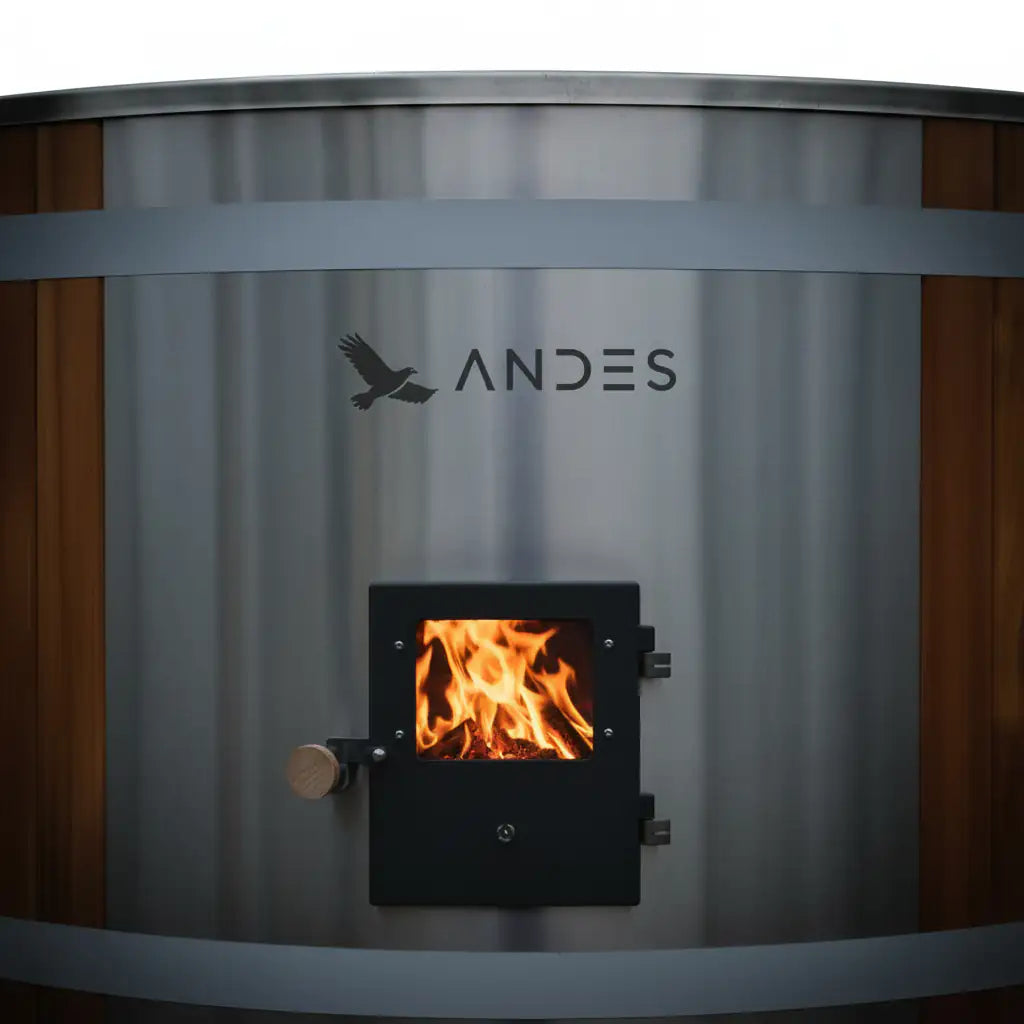
A wood fired hot tub is a self-sufficient, off-grid capable backyard centrepiece that uses an internal furnace to heat water directly, creating a premium outdoor ritual for Australian homes. The key considerations for Australian buyers are material durability against harsh sun and coastal air, realistic heat-up times, ongoing maintenance, and long-term investment value. Models built with stainless steel internals and structural warranties measured in decades offer the strongest ownership proposition.
Table of Contents
-
How does a wood fired hot tub with an internal furnace work?
-
What are the main differences between wood fired and electric hot tubs?
-
What materials are best for a wood fired hot tub in the Australian climate?
-
How much does a wood fired hot tub cost to run and maintain?
-
What should I consider for the installation and placement of my tub?
-
How do I choose the right size and style of wood fired hot tub for my home?
-
What is the expected lifespan of a quality wood fired hot tub?
How does a wood fired hot tub with an internal furnace work?
An internal furnace is integrated into the tub wall and heats the water directly through the stainless steel firebox, whereas an external stove system sits away from the tub and requires hoses, pumps, or gravity-fed plumbing to move heated water. External systems lose heat through exposed pipework and rely on additional components that can fail. An internal furnace keeps the heat source inside the water volume, so the energy transfers straight into the soak.
The process is deliberately simple. You fill the tub with water, light a fire in the internal furnace, and let natural convection circulate the heated water without any electricity. Cold water sinks toward the heat source, warms, and rises, creating a gentle current that evens out the temperature. This passive circulation is why wood fired tubs work so well in remote locations.
For off-grid Australian properties, the requirement is only wood and water. There is no power connection, no control panel, and no dependence on the grid. The traditional method also creates a smoky ambience and a deeper connection to the outdoor experience, turning a soak into a hands-on ritual rather than a push-button event. The wood fired collection is built around this direct-heat principle.
What are the main differences between wood fired and electric hot tubs?
Wood fired hot tubs operate without electricity, using a fire inside the tub to heat water through direct thermal transfer, while electric hot tubs use a heating element connected to mains power for controlled, consistent warmth. Wood fired models demand active participation: you build the fire, manage the burn, and add wood as needed. Electric models offer push-button convenience with thermostatic control and scheduled heating.

The experience differs in pace and ritual. A wood fired tub heats slowly and rewards patience with firelight, smoke, and the scent of burning timber. An electric tub reaches temperature with less effort and holds it automatically. Neither approach is inherently superior; they serve different lifestyles and settings.
Wood fired options are often better suited for rural or off-grid properties where electricity is unavailable or unreliable. Electric models are common in suburban backyards with stable power supply. Choosing wood fired is a lifestyle decision about the experience of tending a fire and the self-sufficiency of heating water without the grid, not a statement that electric tubs are inferior. Hybrid models exist for buyers who want both heating methods in one tub.
How long does a wood fired hot tub take to heat up?
A typical wood fired stove can heat cold water in roughly an hour and a half, though the exact time depends on starting water temperature, outside air temperature, and the volume of water in the tub. A stainless steel stove heating approximately 1000 litres of cold water takes around 90 minutes to reach soaking temperature under average conditions. Smaller tubs heat faster; larger tubs take longer.
Maintaining temperature requires adding wood every 20 to 40 minutes during use. This active fire management is part of the hands-on ritual that defines the wood fired experience. The fire needs attention, but the reward is a continuously warm soak without any electrical input.
Well-insulated tubs retain heat longer, which reduces wood consumption over an evening soak. A quality cover also slows heat loss between uses. Buyers who want faster heat-up or less fire management can consider a hybrid hot tub that combines wood firing with electric heating.
What materials are best for a wood fired hot tub in the Australian climate?
The best choice for Australian conditions is a robust steel exterior combined with a stainless steel fire source, built to handle the extremes of the Australian sun and weather. The stainless steel construction approach addresses these durability demands directly.
Cedar has natural rot resistance and a warm, organic look, but it requires regular oiling and sealing to reach its full lifespan. Steel exteriors demand less cosmetic maintenance and often exceed the lifespan of timber in exposed Australian settings. The harshest enemy of any tub is moisture combined with oxygen, which drives rust and decay.
How much does a wood fired hot tub cost to run and maintain?
Running costs for a wood fired hot tub are primarily the price of firewood per session, which is often cheaper than the electricity required for a full electric tub heat-up. A single evening soak might consume a modest armload of hardwood, depending on tub size and ambient temperature. The cost per session varies with local firewood prices, but the energy source is renewable and independent of utility rates.
Maintenance includes draining the tub periodically, cleaning the interior surfaces, and managing water chemistry to prevent biofilm and mineral buildup. Wood fired tubs do not use chlorine generators or ozone systems, so water care is simpler but requires regular attention. Draining frequency depends on usage, water quality, and whether a cover is used between soaks.
While the initial purchase price can vary significantly, the ongoing operational costs are generally lower than electric alternatives because firewood is a cheaper energy source than electricity for heating large volumes of water. A high-quality tub with a 50-Year Structural Warranty protects the investment against structural issues, reducing long-term ownership risk and making the upfront cost easier to justify.
What should I consider for the installation and placement of my tub?
A level, compacted base is essential because a filled wood fired hot tub can weigh over 600 kilograms. A pad of compacted cracker dust or sand typically costs between $150 and $250 to prepare, while a paved area over a compacted base ranges from $300 to $600 for a DIY installation or $600 to $1,200 when installed by a landscaper. The foundation must be stable and level to prevent stress on the tub structure.
Local council regulations regarding backyard installations vary between Australian states and municipalities. Some councils treat hot tubs as portable structures requiring no approval, while others may have setback or fencing requirements. Checking with the local council before delivery avoids costly relocations.
Delivery logistics matter, including access to the backyard and whether the supplier offers nationwide delivery and installation. Position the tub for both privacy and a good view, and consider prevailing winds to manage smoke direction away from seating areas and neighbouring properties. The installation and site prep requirements should be confirmed before purchase.
How do I choose the right size and style of wood fired hot tub for my home?
Match tub capacity to the typical number of users, from intimate two-person models to larger six-seater options. A two-person tub suits couples and small courtyards, while a six-seater accommodates families or social gatherings. The physical footprint of the tub must fit the available backyard space, including clearance for access and maintenance.
Consider the tub's dimensions against the intended location before purchasing. A 1.5-metre tub occupies less space than a 1.9-metre model, but the larger tub offers more room for movement and additional bathers. The trade-off is heat-up time and firewood consumption, both of which increase with water volume.
Customisation options, such as size, capacity, and heating style, allow buyers to tailor the tub to their specific outdoor living area. Think about the future use case: a private retreat for two has different requirements than a feature for an Airbnb property designed to attract bookings. A distinctive, well-built tub can become a booking driver for short-stay accommodation.
What is the expected lifespan of a quality wood fired hot tub?
Longevity depends heavily on material choice and maintenance, with cedar lasting 15 to 20 years and steel options often exceeding that when built with corrosion-resistant alloys. The harshest enemy is moisture and rust, making a stainless steel internal furnace a critical feature for long-term durability. A firebox made from stainless steel resists the constant thermal cycling and water exposure that would degrade mild steel within a few seasons.
Premium manufacturers back their confidence with extended structural warranties, offering peace of mind for decades of use. A 50-Year Structural Warranty signals that the tub is engineered as a permanent fixture rather than a disposable product. The warranty covers structural integrity, not cosmetic wear or consumable components.
A well-cared-for tub is a permanent lifestyle fixture, not a temporary backyard purchase. Regular draining, cleaning, and covering between uses extend the functional life of any material. The combination of stainless steel internals, corrosion-resistant exterior materials, and a long structural warranty creates the strongest case for decades of reliable service.
Key takeaways
-
A wood fired hot tub with an internal furnace heats water without electricity, making it ideal for off-grid Australian properties.
-
Heat-up time for a wood fired stove is typically around 90 minutes for cold water, depending on conditions.
-
Cedar tubs can last 15 to 20 years with proper care, but steel and stainless steel builds often offer longer structural lifespans.
-
Running costs are primarily firewood, which is generally a cheaper energy source than electricity for heating water.
-
The filled weight of a tub can be over 600 kilograms, requiring a solid, level foundation like compacted crusher dust or pavers.
-
A 50-Year Structural Warranty is a significant marker of a manufacturer's confidence in the tub's long-term durability.
Share:
What are the key differences between wood fired and hybrid hot tubs?